
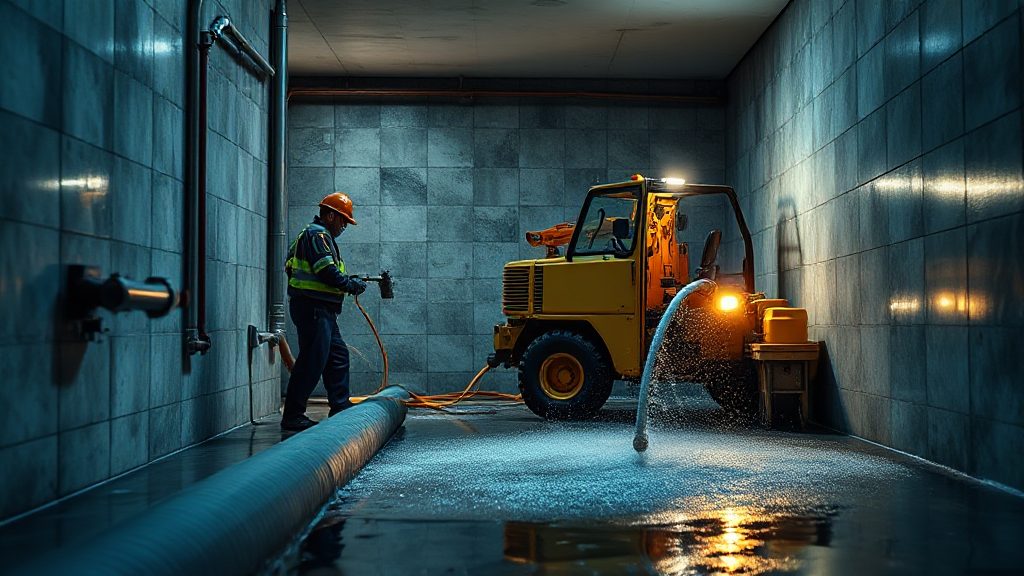
Two Hours Lost to a Clog: What I Learned About Calling a Desentupidora in Cotia SP
The most common mistake people make when a drain backs up in Cotia is reaching for the plunger and the chemical bottle first. I know because I did exactly that — twice — before I finally understood what was actually happening under the floor. This is the account of a slow, smelly afternoon in a house near the Cotia–Granja Viana road, written the way I wish someone had explained it to me before I wasted two hours and a bottle of drain cleaner.
If you are reading this because water is rising where it should be falling, start by knowing who to call: a desentupidora Cotia SP that handles emergency calls, not a general handyman. Everything below explains why that distinction matters and what the technician actually did when he arrived.
The First Mistake: Treating a Sewer Backup Like a Sink Clog
My kitchen sink drained slowly on a Friday. By Saturday morning the laundry drain was gurgling, and by noon there was a shallow pool near the floor drain in the service area. I assumed it was grease in the trap. I poured half a bottle of caustic cleaner down the sink, waited, and ran hot water. The water level went down a little, then came back up higher than before.
That is the classic sign that the blockage is not in the trap under the sink but further along the branch line or in the main sewer connection. Chemical drain openers only work on soft, localized clogs — grease right at the trap, hair in a bathroom drain. Against roots, hardened soap sludge, or a collapsed section of pipe, they just sit there and can even damage older PVC joints.
What I should have done was stop after the first gurgle and call a professional. Instead I spent the next hour mopping and moving boxes away from the wall, which is exactly the kind of time a desentupidora Cotia team would have saved me.
What the Technician Checked Before Touching Anything
When the team arrived, the first ten minutes were not spent unclogging. They were spent asking questions and inspecting. That sequence is worth describing because it tells you what a competent service looks like.
Questions that narrowed the problem
- Which fixtures were backing up at the same time — one sink, or the whole service area?
- Did the water smell like sewage or like soap and food waste?
- Was there any gurgling in the toilet or the floor drain when the washing machine emptied?
- Had the house ever been connected to an old clay or cast-iron line?
Multiple fixtures backing up together points to the main line, not a single trap. Gurgling in a distant drain means air is being displaced by a partial blockage. Those two answers alone changed the plan from a simple snake to a full-line inspection.
Access points and the real culprit
The house had a cleanout cap behind the service area, and that is where the technician started. He removed the cap, and water immediately began to trickle out — confirmation that the blockage was downstream of that point. A camera inspection showed the cause: a section of older pipe with root intrusion at a joint, plus a mat of grease and soap residue that had built up over years.
This is the part most homeowners never see. A camera inspection turns a guessing game into a documented diagnosis, and it prevents the technician from breaking a pipe by forcing a cable through an unknown obstruction.
How the Blockage Was Actually Cleared
The fix happened in stages, and each stage had a reason.
- Mechanical cable first. A rotating cable with a cutting head broke through the root mass and the grease mat. This reopens the bore but does not clean the walls of the pipe.
- Hydrojetting second. A high-pressure water jet scoured the pipe walls, pushing the loosened debris toward the main sewer. This is what prevents the same clog from returning in a month.
- Flow test last. The technician ran water through multiple fixtures simultaneously and watched the cleanout to confirm the line drained freely.
If a company only snakes the line and leaves, you will likely be calling them again soon. Hydrojetting is the step that removes the sticky layer roots and grease cling to. When I later asked a desentupidora em Cotia SP about maintenance, they confirmed that recurring clogs in the same spot almost always mean the pipe walls were never properly cleaned.
What It Cost and What Changed the Price
Nobody likes this section, but it is the one people search for most. In my case, the final invoice reflected three factors: the time of day, the equipment used, and the condition of the pipe.
| Factor | Effect on price |
|---|---|
| Weekend or night call | Higher — emergency availability carries a premium |
| Cable only vs. cable plus hydrojetting | Hydrojetting adds cost but reduces repeat visits |
| Camera inspection | Small add-on, but it prevents wrong assumptions |
| Pipe condition (roots, collapsed section) | Repair work is quoted separately from clearing |
The lesson: ask for a breakdown before work starts. A reputable company will tell you the base clearing price and flag anything that might require a separate quote, such as a damaged pipe section that needs repair rather than just cleaning.
Preventing the Same Call Next Season
After the line was clear, the technician gave me a short list that has kept the drains quiet since.
- Never pour cooking grease down the sink, even in small amounts with hot water.
- Use strainers in every sink and shower drain, and empty them weekly.
- Run hot water for a minute after heavy sink use to move soap and residue along.
- Schedule a preventive check if the property has mature trees near the sewer line.
- Keep the cleanout cap accessible — do not bury it under planters or paving.
Root intrusion is a property issue, not a one-time clog. If trees are close to the line, an annual inspection is cheaper than an emergency call and a repaired pipe.
Questions People Keep Asking After a Backup
Can I keep using water while I wait for the team?
Stop using fixtures that drain into the blocked line. Running more water adds pressure and can push sewage back into the lowest drain in the house, which is usually the floor drain or a ground-floor shower.
Why did the water go down and then come back up?
That pattern means the blockage is partial and downstream. Water passes slowly until the pipe fills, then equalizes back toward the fixtures. It is a strong signal that the problem is in the main line, not a single trap.
Is hydrojetting safe for older pipes?
It is safe when the technician adjusts pressure to the pipe material and condition. That is why a camera inspection comes first — it reveals weak joints or collapsed sections where high pressure would cause damage.
How do I know the job is really finished?
A proper finish includes a flow test with multiple fixtures running at once and a look at the cleanout to confirm free drainage. If the technician leaves without testing flow, ask for it.
Looking back, the two hours I lost were not caused by the clog. They were caused by assuming a sewer problem was a sink problem. Once the right team was on site, the diagnosis, clearing, and cleanup took less time than my failed attempts with a plunger.

Leave a Reply